
 Kimberly Bennett



“Children are great imitators, so give them something great to imitate.” – Unknown
Parenting is perhaps the most demanding, yet rewarding journey one can embark on. It’s a role that requires love, patience, wisdom, and resilience. The way you navigate this journey doesn’t just shape your children; it also leaves an indelible mark on the world they will grow into. Being a successful parent is not about being perfect—it’s about being present, intentional, and leading by example.
This is your guide to being the kind of parent whose example inspires, motivates, and nurtures greatness in your children.
Why Leading by Example Matters
“What you do speaks so loudly that I cannot hear what you say.” – Ralph Waldo Emerson
Children are not born with a manual on how to live life. They learn by observing. Your actions, decisions, and responses become their blueprint for navigating the world.
The ripple effect:
- If you show kindness, they’ll understand empathy.
- If you persevere through challenges, they’ll learn resilience.
- If you prioritize family and health, they’ll value balance and well-being.

Example:
Think of the father who reads every night instead of scrolling through his phone. His child grows up seeing books as a source of joy and knowledge. Over time, this simple habit may instill a lifelong love for learning.
Step 1: Model the Values You Want to See
“Your values become your child’s guidepost in life.” – Unknown
The foundation of successful parenting lies in living the values you wish to instill. If you want your children to grow up honest, hardworking, and compassionate, they need to see you embodying these traits.
How to Model Values Effectively:
1. Be accountable: Apologize when you’re wrong. This shows humility.
2. Show gratitude: Make “thank you” a natural part of your vocabulary.
3. Respect others: Treat everyone, from family to strangers, with dignity.
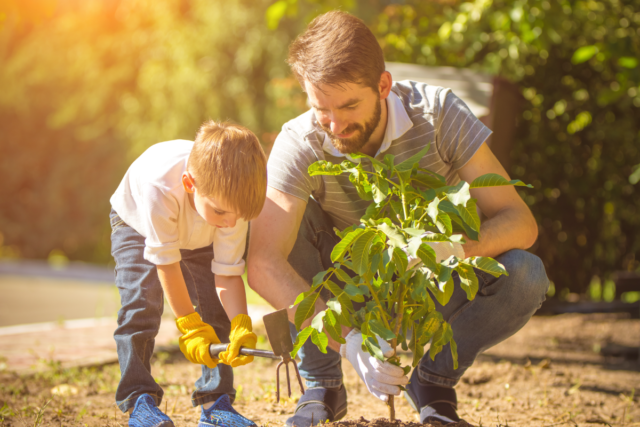
Example:
A mother who consistently volunteers her time at a local shelter teaches her children the importance of giving back. Without a single lecture, she plants seeds of altruism in their hearts.
Step 2: Teach by Doing
“Tell me, and I forget. Teach me, and I remember. Involve me, and I learn.” – Benjamin Franklin
Words can inspire, but actions educate. Get your children involved in your day-to-day activities and use those moments as teaching opportunities.
Practical Tips:
- Cooking together: Teach them about teamwork, patience, and healthy eating habits.
- Household chores: Responsibility and self-discipline can be built by involving them in maintaining the home.
- Money management: Show them how you budget or save to instill financial literacy early on.
Example:
A father teaching his son to build a birdhouse isn’t just showing him how to use tools; he’s teaching problem-solving, patience, and pride in creating something tangible.
Step 3: Demonstrate Emotional Intelligence
“Raise your words, not your voice. It is rain that grows flowers, not thunder.” – Rumi
Your children will learn how to handle emotions by watching how you handle yours. Emotional intelligence—managing your feelings and understanding others—is one of the most crucial skills you can model.
How to Teach Emotional Intelligence:
- Stay calm under stress: Show them that difficult moments can be handled gracefully.
- Name your emotions: Say things like, “I’m feeling frustrated right now, so I need a moment to think.”
- Validate their feelings: When they’re upset, listen before offering solutions.

Example:
A parent who calmly discusses a disagreement with their partner shows their child how to resolve conflict without anger. That child, in turn, is more likely to handle disagreements peacefully in the future.
Step 4: Foster a Growth Mindset
“It’s not that I’m so smart; it’s just that I stay with problems longer.” – Albert Einstein
Help your children see challenges as opportunities and failures as stepping stones to success. Teach them the value of persistence, curiosity, and continuous improvement.
Practical Strategies:
- Celebrate effort, not just results: Praise their hard work, even if they don’t win.
- Reframe failure: Ask, “What did you learn from this?” instead of, “Why did you fail?”
- Model lifelong learning: Let them see you reading, taking courses, or exploring new hobbies.
Example:
A parent who struggles with assembling furniture but perseveres—and even laughs at their mistakes—teaches resilience and the importance of humor in overcoming frustration.
Step 5: Create Moments That Matter
“In the end, it’s not the years in your life that count; it’s the life in your years.” – Abraham Lincoln
It’s not the big vacations or expensive gifts your children will remember. It’s the small, consistent acts of love and attention that leave the deepest impression.
Ideas for Meaningful Connection:
- Family rituals: Establish traditions like Sunday pancake breakfasts or Friday movie nights.
- One-on-one time: Spend time individually with each child to strengthen your unique bond.
- Be present: Put away your phone and give them your full attention during conversations.
Example:
A simple bedtime ritual, like sharing what you’re grateful for that day, can create a lifetime of cherished memories and instill a positive mindset.
Step 6: Build Their Independence
“The greatest gifts you can give your children are the roots of responsibility and the wings of independence.” – Denis Waitley
Preparing your children for the real world means gradually giving them the tools and confidence to make their own decisions.
How to Encourage Independence:
- Let them solve problems: Resist the urge to fix everything for them.
- Give choices: Allow them to make age-appropriate decisions, like choosing their clothes or planning a small family outing.
- Teach responsibility: Start with simple tasks and gradually increase their level of autonomy.
Example:
A parent who encourages their child to budget their allowance teaches responsibility, decision-making, and the value of money—all skills that will serve them for life.
Step 7: Never Stop Growing Yourself
“To bring up a child in the way he should go, travel that way yourself once in a while.” – Josh Billings
Your personal growth sets the tone for your children’s development. The more you invest in becoming a better version of yourself, the more you inspire them to do the same.
Ways to Grow as a Parent:
- Seek feedback: Ask your children what they love and what they’d like to change about your family dynamics.
- Stay curious: Read books, listen to podcasts, and attend workshops on parenting.
- Take care of yourself: Physical, emotional, and mental health are essential to being the best parent you can be.

Conclusion: The Legacy You Leave

Being a successful parent isn’t about creating perfect children. It’s about showing them how to navigate an imperfect world with courage, kindness, and resilience.
When you lead by example, foster emotional intelligence, and create meaningful connections, you don’t just raise children—you raise future leaders, innovators, and changemakers.
Share this article with someone who inspires you as a parent or someone who could use a little inspiration themselves. Together, let’s create a generation of role models.
“Children are the living messages we send to a time we will not see.” – John F. Kennedy