
 Kimberly Bennett



“A small crack doesn’t mean you’re broken. It means you were put to the test and didn’t crumble.” – Linda Poindexter
Imagine this:
You wake up late again. It’s 11:30 AM. You only managed to roll out of bed because your stomach growled louder than your will to stay under the covers. Last night, you went to bed at 3 AM after binge-watching a mediocre series you didn’t even enjoy.
The last three weeks? A blur. Deadlines? Missed. Work? Piled up. Motivation? Nonexistent.
Your mind feels heavy—wrapped in an invisible blanket of anxiety, constantly whispering that there’s something important to do. Yet, every time you check your calendar, you feel overwhelmed, paralyzed, unsure where to begin.
Does this sound familiar?
Depression vs. the Productivity Trap
In today’s world, where “hustle culture” reigns supreme, it’s hard to escape the pressure of constant productivity.
Chris Bailey, author of “Hyperfocus: How to Manage Your Attention in a World of Distraction,” captures it perfectly:
“It’s hard enough to be productive in the best of times, let alone during a crisis. We’re inundated with the idea that every second of our lives must be optimized for profit and self-improvement.”
This toxic pursuit of productivity—and its polar opposite, the sense of hopeless inactivity—are two faces of the same coin: depression.
Whether you’re drowning in the pressure to achieve or lost in a haze of inaction, you’re not alone. The good news? There’s a way out.
Step 1: Start with Self-Compassion
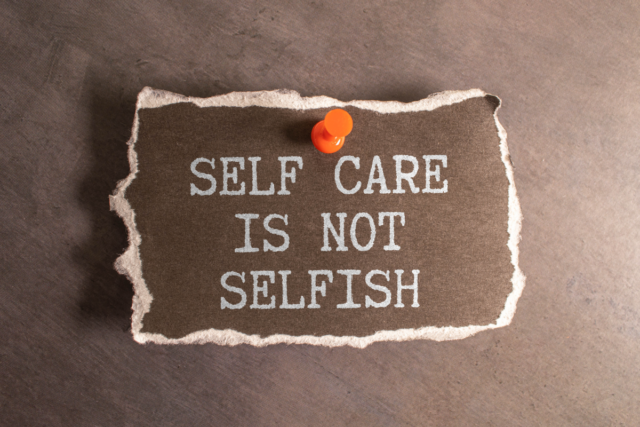
The first step to overcoming depression is to be kind to yourself.
Why It Matters:
Depression thrives on self-criticism. The more you blame yourself for being “lazy,” “unmotivated,” or “broken,” the deeper the spiral becomes.
How to Practice:
- Acknowledge Your Struggles Without Judgment
- Instead of saying, “I’m such a failure,” try, “I’m going through a tough time, and that’s okay.”
- Treat Yourself Like a Friend
- Would you tell a struggling friend they’re worthless? No. So why say it to yourself?
- Celebrate Small Wins
- Got out of bed today? Fantastic. Answered one email? Amazing. Each step forward counts.
Step 2: Reclaim Structure with Tiny Habits
When depression strikes, even the simplest tasks feel monumental. That’s why you need to focus on small, achievable actions.
Why It Works:
Tiny habits build momentum. Each completed task releases a dose of dopamine, your brain’s “reward” chemical, helping you feel accomplished and motivated to do more.
How to Start:
- Create a Morning Ritual
- Start with something small, like brushing your teeth, drinking a glass of water, or making your bed.
- Set a 5-Minute Goal
- Tell yourself you’ll work on a task for just 5 minutes. Once you start, you’ll often find the energy to keep going.
- Use Visual Cues
- Leave sticky notes with reminders or motivational quotes where you can see them.
Step 3: Connect with Others

Depression isolates, but connection heals. Even when you feel like retreating into your shell, reaching out can be a powerful antidote.
Why It Matters:
Humans are social creatures. Genuine interactions release oxytocin, the “bonding hormone,” which reduces stress and boosts mood.
How to Reconnect:
- Reach Out to a Friend or Family Member
- A simple “How are you doing?” text can open the door to meaningful conversation.
- Join a Support Group
- Online or in-person groups provide a safe space to share your feelings and gain support.
- Engage in Acts of Kindness
- Helping others—whether through volunteering or simply listening—can give your day a sense of purpose.
Step 4: Move Your Body, Free Your Mind

Physical activity isn’t just good for your body—it’s a natural mood booster.
Why It Works:
Exercise releases endorphins, the body’s natural antidepressants. Even a short walk can reduce anxiety, clear your mind, and improve focus.
How to Incorporate Movement:
- Start Small
- No need for intense workouts. A 10-minute walk around the block is enough to start.
- Make It Fun
- Dance to your favorite song, try yoga, or explore a new hiking trail.
- Find an Accountability Partner
- Exercise with a friend to stay motivated and make it social.
Final Thoughts: Progress Over Perfection
Depression is a journey, not a destination. Some days will be harder than others, but every small step you take is a victory.
Remember:
- You’re not broken.
- You’re not alone.
- And you’re stronger than you think.
As Linda Poindexter said:
“A small crack doesn’t mean you’re broken. It means you were put to the test and didn’t crumble.”
Take that first step today. Whether it’s getting out of bed, texting a friend, or taking a 5-minute walk, you’re moving forward—and that’s what truly matters.
You’ve got this. 💪
Why Modern Life Feels Like the Perfect Recipe for Emotional Breakdown—and How to Prepare for It
Let’s be honest: nothing in human history has combined the ingredients for emotional collapse quite like modern life.
The dangerous recipe?
- Lack of Face-to-Face Interaction
Social isolation has become the norm, leaving many people disconnected from the emotional lifeline that comes from genuine, in-person relationships. - Financial Insecurity and Unemployment
For countless individuals, stability feels like a distant dream, as jobs vanish and income streams dry up. - Absence of Physical Activity and Basic Joys
With limited access to exercise, sunlight, or even simple pleasures, our bodies and minds are deprived of essential nutrients for mental health. - Widespread Uncertainty
The constant question of “What will happen tomorrow?” leaves a gnawing sense of vulnerability. Safety, once taken for granted, now feels elusive. - Uncontrolled Overconsumption of Social Media
Instagram and news feeds have become addictive crutches, endlessly doom-scrolling through negativity without realizing the toll it takes. (Psst… Want to escape this trap? Read this guide).
It’s Okay to Not Be Okay
Here’s the thing:
You don’t have to feel positive all the time.
It’s natural to feel sadness, anger, frustration, disappointment, fear, and anxiety.
Having emotions doesn’t make you a negative person—it makes you human.
As Lori Deschene wisely said:
“It’s okay to feel your feelings. It doesn’t make you weak. It makes you real.”
The Hard Truth We Must Face

For most people, moments of depression or lethargy rarely last beyond a day or two. Sure, there are bad days. But usually, the next day brings renewed energy and optimism.
But let’s be honest:
The challenges we’re facing now are far more enduring.
Whatever struggles you’re dealing with today, brace yourself to endure them for the next 3–6 months—or longer.
Why?
Because this situation is not going away overnight. It will ebb and flow, and even the most fortunate among us will feel the pressure eventually.
If you haven’t already felt the weight of emotional or financial strain, prepare yourself. Chances are, it’s coming.
A Time of Loss, Pain, and Resilience
Yes, the reality is daunting:
- Most of us will know someone who has passed away due to illness, lost their job, or closed their business.
- Friends and family members will fall sick, break down, or feel like they’re losing their grip on reality—or worse, experience all three at once.
This isn’t a scare tactic. It’s the truth.
Why Are We Telling You This?
Because awareness is power.
The storm is here, and ignoring it won’t make it go away. But preparing for it—mentally, emotionally, and physically—can help you weather it with resilience.
The question isn’t whether we’ll face adversity. We will. The question is:
How will we respond to it?
A Glimmer of Hope
While things may get worse before they get better, history reminds us that even the darkest moments eventually pass.
Crises test us, but they also teach us. They push us to find strength, adaptability, and connection.
Let this moment be a wake-up call—not to panic, but to prepare. Build your mental and emotional reserves. Strengthen your relationships. Take care of your body and mind.
Because while the challenges ahead are real, so is your capacity to overcome them.
You are stronger than you know.
Stay grounded. Stay resilient. Stay hopeful. 💪
Embracing Reality: Your First Step Toward Resilience

“The best way out is always through.” – Robert Frost
Let’s face it: sugarcoating the truth or hiding behind a facade of naive positivity won’t serve you. You’re not naïve, right?
Hoping for a miracle cure or expecting life to magically return to “normal” isn’t realistic. Instead, let’s be honest about the situation:
We are living through one of the most disruptive global events in human history.
And whether we like it or not, we are all players in this long, unpredictable journey.
The Reality We Must Face
- It won’t be easy. The ripple effects—economic, political, cultural—will last for years.
- It won’t be fun. The challenges ahead demand resilience, adaptability, and courage.
But here’s the thing:
You can’t navigate this storm unless you first accept it.
This is not about negativity; it’s about clarity.
When you acknowledge the full scope of the challenge, you also empower yourself to face it head-on.
Here’s What You Can Do
To help you weather this storm, we’ve put together a simple 4-step guide to build mental resilience and reclaim your inner stability.
This guide is based on:
1. Insights from Experts on Isolation: Drawing from NASA astronauts, submarine crews, and people experienced in prolonged isolation.
2. Research on Mental Health: Best practices shared by psychologists and therapists.
3. Personal Stories and Community Wisdom: Lessons from members of the MasterHack club, Facebook group discussions, comments, and private messages.
Step 1: Master the Chaos Within
Let’s begin with the first and most important ingredient in the recipe for resilience.
Here’s the truth:
You’re not thrown into the fire—you are the fire.
How to Reclaim Your Inner Strength
- Embrace Reality, Don’t Resist It
Denial creates more anxiety. Accept that life as we knew it has changed. Only then can you adapt and thrive. - Shift from Panic to Purpose
When the world feels out of control, focus on the things you can control: your routines, your thoughts, and your actions. - Practice Daily Mindfulness
Ground yourself with small rituals—a morning coffee, journaling, or even a walk around your home. These moments anchor your mind in the present. - Feed Your Inner Flame
Find what fuels you—whether it’s learning something new, connecting with loved ones, or simply creating space for rest.
You’re More Resilient Than You Think
While the challenges ahead are real, so is your ability to adapt, overcome, and emerge stronger.
The fire within you is your greatest tool. Tend to it, nurture it, and let it guide you through these turbulent times.
Because the truth is:
You are not a victim of the storm—you are the storm.
Let’s ignite that fire. 🔥
Meet Your New Personal God: The Power of Routine
“Discipline is the bridge between goals and accomplishment.” – Jim Rohn
Let’s be honest: how much do we rely on social pressure to stay on track?
In truth, we depend on it for almost everything.
Think about your typical day before disruptions hit: meetings, calls, and deadlines kept you moving. Suddenly, these anchors disappeared, and along with them went the urgency to get things done on time. Deadlines became fluid, and procrastination took over.
Many of us have slipped into nocturnal cycles, working at odd hours and operating like college students cramming all night before an exam.
But here’s the good news: if you observe professionals who thrive in isolation—astronauts, researchers, freelancers—you’ll notice one thing in common: they live by routine.
Why Routine is King
Most people wake up early not because they’re disciplined but because they fear the social discomfort of showing up late. Without this accountability, many become unrecognizable versions of themselves—lazy, sluggish, and unmotivated.
To combat this, we must establish and worship our personal routines like a divine force.
The Commandments of Routine
- Keep it Simple: Don’t over-plan or aim for perfection. The stricter your plan, the more likely you’ll abandon it after the first misstep.
- Create Anchors in Your Day: Structure your routine with clear, achievable blocks:
- 7:30/8:00 AM: Wake up on time.
- 9:00 AM – 3:00 PM: Focus on work or learning.
- 3:00 PM – 4:00 PM: Personal health and self-care.
- 4:00 PM – 9:00 PM: Social time, hobbies, or reading.
- 10:00/11:00 PM: Go to bed.
Everyone’s routine will look different, but the essence remains: stick to it religiously.
Tips to Worship the God of Routine
- Designate Spaces for Activities:
Work in the kitchen, exercise in the living room, relax in the bedroom. Associating specific areas with tasks helps your brain shift gears. - Dress for Success:
Even if you’re at home, dress as if you’re heading to the office. It signals to your brain that it’s time to focus. - Prepare the Night Before:
- Open all tabs and documents you’ll need for the next day.
- Lay out workout clothes to avoid excuses.
- Prep meals ahead of time.
- Pair Up for Accountability:
Find a “routine buddy.” Check in with each other several times a day via messages or video calls to ensure you’re both sticking to the schedule. Even better—work alongside each other virtually for motivation and connection.
What About Sleep?
You may not control the quality of your sleep, but you can control when you go to bed and wake up. Stick to consistent sleep and wake times, and your body will naturally adapt, even if it takes a few tough days.
The Rituals of Routine: A Path to Stability
In challenging times, routine isn’t just a tool—it’s a lifeline. It restores order to chaos, helping you regain focus and confidence.
Because in the end, the secret isn’t just to have a routine—it’s to make it sacred.
Your new mantra:
“Worship the routine. Honor the schedule. And thrive.”
So, what’s your first step toward building your routine today? 🌟
Step 2: Build and Repair Relationships

“Connection is why we’re here; it’s what gives purpose and meaning to our lives.” – Brené Brown