
 Kimberly Bennett



Burnout is one of the most pervasive issues in today’s demanding world, draining your physical, emotional, and mental reserves. But what if you could combat it like an athlete preparing for a championship? Enter the Corporate Athlete Method, a transformative framework for regaining energy, focus, and joy in your life.
The Core Concept: Work Like an Athlete, Not Like a Machine
Professional athletes spend the majority of their time training, recovering, and preparing for peak performance. Only a small fraction of their efforts are devoted to competing. In contrast, many entrepreneurs, managers, and professionals spend their lives locked in a linear cycle of constant work without recovery.
This linear approach leads to diminishing returns, exhaustion, and eventually—burnout.
- Athletes enjoy structured off-seasons and active recovery periods.
- Corporate professionals, on the other hand, work relentlessly, often with no breaks beyond a meager annual leave.
The result? Emotional and physical depletion over a 40-50 year career.

Why Linear Work Leads to Burnout
In a linear work model, people push themselves for long hours, day after day, without replenishing their energy. This eventually leads to:
- Diminished returns on productivity.
- Increased stress and poor health.
- Emotional detachment from work and life.
The problem isn’t just the intensity of work—it’s the lack of recovery
Research from the Harvard Business Review reveals that well-being is the foundation of sustainable high performance. While your time is finite, your energy is flexible. This means managing energy is the key to success, not just managing hours.
The Formula: Stress + Recovery = Growth
Burnout occurs when stress builds up without recovery. Athletes, however, understand the critical balance:
Stress + Recovery = Adaptation (Better Performance).
To thrive in your professional life, you must apply the same principle. Recovery is not a luxury—it’s a necessity.
Introducing the “Performance Pyramid”
Physical Energy:
Your body is the foundation. Regular movement, proper nutrition, and restful sleep are non-negotiable.
- Emotional Energy:
Your emotional well-being determines resilience. Positive emotions like gratitude and connection build strength, while unchecked negativity drains it. - Mental Energy:
Your mind drives focus and decision-making. Structured work, free from distractions, maximizes mental clarity. - Spiritual Energy:
The “why” behind what you do fuels your purpose. Aligning with your values and passions generates deep and lasting motivation.

Applying the Corporate Athlete Method
Here’s how to use the Corporate Athlete framework in your daily life:
- Physical Recovery Practices:
- Prioritize sleep: Aim for 7-8 hours of quality rest.
- Move intentionally: Incorporate short walks or stretching between work blocks.
- Fuel your body: Choose whole, nutrient-dense foods over processed snacks.
- Emotional Recovery Practices:
- Connect: Spend time with loved ones or talk to someone who inspires you.
- Reflect: Keep a gratitude journal or celebrate small wins daily.
- Breathe: Practice mindfulness or deep breathing exercises to center yourself.
- Mental Recovery Practices:
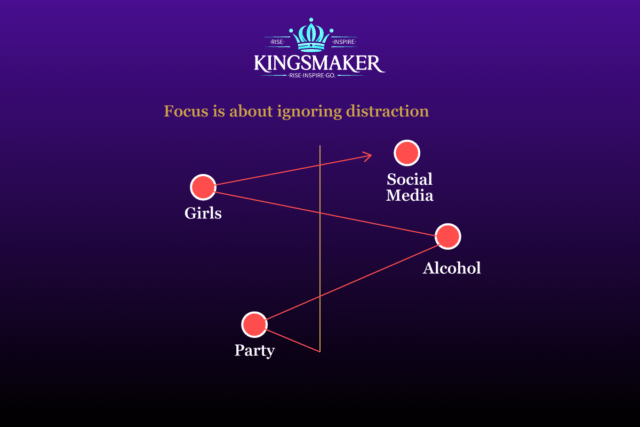
- Block distractions: Dedicate focused time to your most important tasks.
- Take micro-breaks: Step away from screens every 90 minutes to recharge your focus.
- Learn something new: Engaging in hobbies or reading expands your perspective and refreshes your mind.
- Spiritual Recovery Practices:
- Reflect on purpose: Ask yourself why your work matters.
- Give back: Helping others or supporting a cause can reignite your passion.
- Visualize: Imagine the person you aspire to be and take small steps toward that vision daily.
Breaking the Burnout Cycle: Create a Rhythm
The key to sustained energy and performance lies in alternating stress and recovery throughout your day. Here’s a simple routine:
- Morning Boost: Start with 10-15 minutes of movement and mindfulness to energize your body and mind.
- Focused Work Blocks: Work in 90-minute intervals followed by 10-15 minutes of active recovery (e.g., stretching, walking).
- Midday Recharge: Eat a balanced lunch and take 15 minutes for emotional recovery—call a loved one or practice gratitude.
- Evening Reset: Wind down with light physical activity or a hobby, and set boundaries for restful sleep.
The Takeaway: Thrive Like a Corporate Athlete

Burnout doesn’t happen overnight, and neither does recovery. By embracing the Corporate Athlete mindset and balancing stress with recovery, you can restore your energy, rekindle your motivation, and perform at your best.
Remember: You’re not a machine designed to run endlessly. You’re an athlete in the game of life—train, recover, and compete accordingly.
Now ask yourself: What can you do today to replenish your energy and rediscover your joy?
The Pyramid of Peak Performance: Overcoming Burnout with Holistic Energy Management
Burnout is a reality for many high achievers, but what if you could reframe your approach to success and create a sustainable system for peak performance? Welcome to the Pyramid of Peak Performance, where physical, emotional, mental, and spiritual energy form the foundation for long-term success.
The Structure of the Pyramid
Peak performance isn’t just about brainpower or strategy—it’s about balancing your energy across four interconnected levels:
- Physical Well-being (Foundation):
Your body is your energy source. Without proper care—sleep, nutrition, and movement—the entire pyramid collapses. - Emotional Health (Second Level):
Positive emotions like gratitude and joy boost resilience and counteract stress. - Mental Focus (Third Level):
Sharp concentration and clarity are critical for problem-solving and decision-making. - Purpose and Meaning (Top of the Pyramid):
A deep connection to your values and goals fuels motivation and endurance.
When these levels are aligned, you’re not just functioning—you’re thriving.
The Key to Connecting the Pyramid: Rituals
Rituals are the glue that holds the pyramid together, bridging the gaps between the levels. They’re intentional, repetitive actions that promote rhythmical energy expenditure and recovery.
For example:
- Morning Workouts: A brisk 30-minute run can boost your emotional well-being and set the tone for mental clarity throughout the day.
- Mindful Pauses: A simple deep-breathing exercise between meetings can recharge your focus and emotional resilience.
Over time, these rituals become second nature, making energy management effortless.
The Science Behind Rituals
Athletes have long used rituals to manage stress and enhance performance.
- Music as Energy Modulation: Many athletes listen to music before competitions to either elevate their energy or calm their nerves. Music shifts mental activity from the logical left brain to the intuitive right brain, creating emotional balance.
- Tennis Rituals: Studies of top tennis players reveal that the best often engage in rituals like adjusting their racket strings or visualizing their next move during matches. These moments act as mental reset buttons.
Incorporating rituals isn’t just beneficial—it’s transformative.
Achieving Peak Performance Under Pressure
So, how do you perform at your best when the stakes are high?
By ensuring that all levels of the pyramid are functioning in harmony.
Here’s a practical breakdown:
- Physical Foundation: Ensure consistent sleep, balanced nutrition, and regular exercise.
- Emotional Stability: Cultivate gratitude and focus on positive interpersonal relationships.
- Mental Clarity: Dedicate time to deep work and block distractions.
- Purposeful Alignment: Reflect on your goals and connect daily actions to your broader mission.
The Real Secret: Recovery is Non-Negotiable
Contrary to popular belief, stress isn’t the enemy—chronic stress without recovery is. Stress drives growth, but only when balanced with disciplined recovery.
- Without recovery: Energy reserves deplete, leading to burnout and declining performance.
- With recovery: You rebuild strength, sharpen your focus, and elevate your potential.
Actionable Steps to Build Your Pyramid
- Establish Physical Rituals:
- Exercise 3-5 times per week, even if it’s just a brisk walk.
- Prioritize 7-8 hours of sleep each night.
- Maintain a consistent diet rich in whole, unprocessed foods.
- Create Emotional Checkpoints:
- Begin or end your day with a gratitude journal.
- Schedule regular check-ins with friends or family to nurture relationships.
- Sharpen Mental Focus:
- Use tools like the Pomodoro Technique to stay focused during work.
- Schedule time to step away from screens and engage in mindfulness practices.
- Reconnect with Purpose:
- Reflect on why your work matters and how it aligns with your personal values.
- Dedicate time each week to activities that inspire and recharge you.
Closing Thought
The Pyramid of Peak Performance isn’t about achieving perfection—it’s about creating balance and harmony in your life. By incorporating rituals and prioritizing recovery, you’ll not only overcome burnout but also unlock your full potential.
Remember: The true enemy of high performance isn’t stress—it’s the absence of recovery. Make time for yourself, honor the pyramid, and watch your achievements soar.
Burnout and Animals: Lessons from the Lion
Recovering from emotional burnout can be as simple—and as profound—as living like a lion.
What Does It Mean to Live Like a Lion?
Lions are masters of energy conservation. They spend most of their time resting and conserving their strength, reserving short bursts of intense energy for hunting. These brief sprints are powerful and purposeful, ensuring success when it matters most.
Now imagine applying this principle to your own life:
- Rest when needed: Conserve your energy during low-priority moments.
- Sprint when necessary: Fully commit to high-priority tasks, giving your best effort when it truly counts.
This approach can revolutionize how you manage your energy and prevent burnout.
Avoiding the Gray Zone
One of the greatest pitfalls in modern life is the “gray zone”—those moments when you’re neither fully engaged nor fully disengaged.
What is the Gray Zone?
The gray zone occurs when you’re splitting your focus, trying to do multiple things at once without excelling at any of them. For example:
- Editing a document while eating a snack and texting a friend.
- Checking emails during a family conversation.
- Half-heartedly working while scrolling through social media.
In the gray zone, you expend a lot of energy without achieving meaningful results. It’s a recipe for frustration and, ultimately, burnout.
How to Escape the Gray Zone
- Commit Fully to One Thing at a Time
-
- When you work, give it your all—dedicate a focused sprint of time to the task.
- When you rest, disconnect completely—no multitasking, no guilt.
- Plan Your Day with Intention
-
- Divide your day into focused sprints for work and intentional downtime for recovery.
- Schedule breaks to recharge and avoid drifting aimlessly between tasks.
- Set Clear Boundaries
-
- Create “no-interruption zones” during work sprints.
- Use tools like the Pomodoro Technique to structure your focus.
The Power of Simplicity: Do Less, but Better
Living like a lion reminds us of a crucial truth:
You can do everything you want in life—but not all at once.
- Prioritize your most important goals.
- Eliminate distractions.
- Accept that not everything needs to be done right now.
By avoiding the gray zone and adopting the lion’s strategy of rest and sprinting, you’ll achieve greater clarity, satisfaction, and long-term success.
Key Takeaway
Burnout isn’t just about working too hard—it’s about working ineffectively. The lion’s approach teaches us to rest deeply, sprint purposefully, and avoid the gray zone at all costs.
By embracing this mindset, you’ll not only protect your energy but also unlock the focus and power needed to thrive in all areas of life.
How to Recover from Burnout?
Burnout Recovery: Embrace Active and Intentional Rest
Recovery is not just about taking a break—it’s about actively restoring your physical and mental energy to prepare yourself for higher levels of performance. By living like a “corporate athlete,” you can turn recovery into your competitive edge, avoiding the crash-and-burn cycles that destroy productivity.
Be Like the Lions: Rest Before the Hunt
Lions spend most of their time conserving energy, saving their bursts of intensity for short, high-impact moments—like catching their prey. Similarly, effective recovery requires deliberate rest before you tackle your next challenge.
But you can take additional steps to recharge:
The Power of Body Language
Your body influences your emotions more than you might realize. A fascinating experiment with actors demonstrated that when they mimicked anger for a scene, their physiological responses (heart rate, blood pressure, hormonal changes) matched those of actual anger.
The lesson? Acting confident can make you feel confident.
- Stand tall.
- Smile even when you don’t feel like it.
- Adopt a “power pose” to mentally shift your state of mind.
As Aristotle wisely put it:
“We are what we repeatedly do. Excellence, then, is not an act but a habit.”
Mental Clarity, Focus, and Burnout
Focus as a Tool for Energy Management
Focus channels energy toward your goals. Anything that disrupts focus also scatters energy.
Meditation: A Practical Recovery Tool

Though often seen as a spiritual practice, meditation is a practical method for training your focus and promoting recovery.
Try this simple exercise:
- Sit quietly and take slow, deep breaths.
- Count each exhale, starting from 1 and resetting when you reach 10.
- Alternatively, repeat a calming word with every breath.
Key Takeaways for High Performance and Energy Renewal
High performance, whether on the field or in business, relies as much on how you recover your energy as on how you spend it. Recovery strategies include:
- Managing Your Work-Life Balance: Treat energy renewal as essential as any task on your to-do list.
- Building a Routine of Recovery: Adopt daily habits that enhance physical, mental, and emotional restoration.
- Tapping into Physical Renewal: Exercise regularly, eat well, and sleep enough to feel physically strong.
- Focusing on Mental and Emotional Recovery: Use techniques like meditation or creative breaks to keep your mind sharp and your emotions stable.
When you’re physically strong, mentally clear, emotionally grounded, and spiritually aligned, you don’t just work better—you live better.
Share and Support
If this guide resonates with you, let us know in the comments or share it with others who might benefit. Together, we can make burnout recovery a reality for everyone.
Thank you for your support!