
 Alexander Grant



“Value is not determined by those who set the price, but by those who choose to pay it.” — Simon Sinek
In the world of business, success isn’t always about offering the cheapest product or even the best. It’s about shaping how your customers perceive your product. The secret? Behavioral psychology. By understanding how people think, feel, and make decisions, you can craft strategies that elevate your product’s perceived value—transforming ordinary offerings into must-have treasures.
Let’s dive into the psychology-backed methods to make your product irresistible and worth every penny in your customer’s eyes.
1. The Anchoring Effect: Setting the Stage for Value
“The first price someone hears sets the stage for every price they consider afterward.”
Imagine walking into a store to buy a watch. You see a $10,000 Rolex displayed prominently. Next to it, there’s a $500 watch that suddenly seems like a steal. This is the anchoring effect at play.
How to use it:
- Introduce a premium version of your product with a high price tag. This makes your standard offering seem more affordable.
- Use comparative pricing. For example, “Normally $200, now $99!” makes the $99 feel like a bargain.
Example: Apple’s pricing strategy often includes a high-end model (e.g., the iPhone Pro Max), which anchors the perceived value of lower-tier models.
2. The Power of Scarcity: Create Urgency

“People value what is rare more than what is abundant.” — Robert Cialdini
Humans are wired to desire what they might lose. When something is limited in availability, it feels more valuable.
How to use it:
- Highlight limited stock: “Only 3 left in stock!”
- Set time limits: “in 24 hours.”
- Use exclusive Offer expires language: “Join our VIP club for early access.”
Example: Nike’s limited-edition sneakers sell out within minutes because they’re scarce, creating a frenzy among customers.
3. Social Proof: The Bandwagon Effect
“Nothing draws a crowd like a crowd.”
People trust the opinions and actions of others, especially in uncertain situations. Showcasing how others have embraced your product increases its desirability.
How to use it:
- Display customer testimonials and reviews.
- Use metrics: “Over 10,000 happy customers.”
- Highlight endorsements from influencers or experts in your niche.
Example: Amazon uses social proof extensively, featuring star ratings and customer reviews prominently on product pages.
4. Storytelling: Connect Emotionally
“Stories create connections. Connections build trust. Trust drives decisions.”
Humans don’t buy products—they buy the emotions, identities, and dreams attached to them. Storytelling transforms your product from a commodity into an experience.
How to use it:
- Share the journey of how your product was made.
- Highlight customer stories of transformation through your product.
- Show the mission behind your brand.
Example: TOMS Shoes doesn’t just sell shoes; they tell a story of giving. For every pair sold, they donate a pair to someone in need. This emotional narrative increases the perceived value of their shoes.
5. The Halo Effect: Shine a Spotlight on Quality
“A single positive impression can elevate everything associated with it.”
When one aspect of your product or brand is seen as exceptional, it elevates everything else. For example, premium packaging can make the product inside feel luxurious.
How to use it:
- Invest in high-quality visuals, packaging, and branding.
- Focus on one standout feature of your product.
- Highlight partnerships with reputable brands or certifications.
Example: Luxury brands like Chanel or Rolex use elegant packaging and iconic logos to create a perception of exclusivity and unmatched quality.
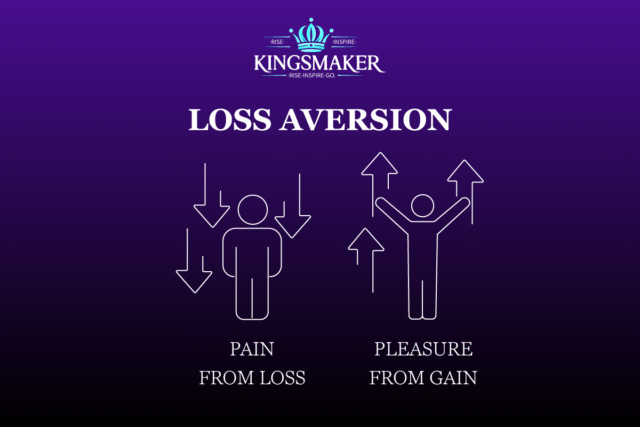
6. Loss Aversion: Highlight What Customers Might Miss
“People are more motivated to avoid losing $100 than to gain $100.”
This psychological bias can be leveraged to showcase what customers will miss out on if they don’t act.
How to use it:
- Use phrases like “Don’t miss this deal” or “Avoid overpaying elsewhere.”
- Offer money-back guarantees to reduce risk.
- Frame your offer around savings: “Save $50 today.”
Example: Subscription services like Netflix emphasize what you’d miss out on—unlimited entertainment—if you cancel.
7. The Justification Effect: Reinforce the Value
“Customers need reasons to justify their purchase to themselves and others.”
When customers can rationalize their spending, they’re more likely to feel satisfied with their purchase.

How to use it:
- Break down the benefits: “Save time, save money, and enjoy premium quality.”
- Use comparisons: “Cheaper than daily coffee but lasts all month.”
- Add value bundles: “Buy 1, get 1 free” or “Free bonus gift included.”
Example: Starbucks justifies its higher coffee prices by offering premium quality, a comfortable atmosphere, and social status.
8. The IKEA Effect: Let Customers Build
“People value what they help create more.”
When customers are involved in the process, they feel more connected to the product, increasing its perceived value.
How to use it:
- Allow customization: “Build your perfect laptop.”
- Involve them in the process: “Vote on our next product design.”
- Offer DIY options.
Example: IKEA’s furniture may require assembly, but this effort makes customers feel a sense of ownership and pride in their purchase.
9. Contrast Principle: Highlight the Difference
“Value becomes clear when you compare it to the alternative.”
Show your customers why your product stands out by comparing it to the competition or a less desirable option.
How to use it:
- Use before-and-after comparisons.
- Highlight the flaws in alternatives: “Unlike others, our product doesn’t fade or break.”
- Showcase premium upgrades.
Example: Laundry detergent brands often show side-by-side comparisons of their product removing stains versus a competitor’s product failing.
10. Exclusivity: Make Customers Feel Special
“People crave what feels unattainable to others.”
Exclusivity adds prestige to your product and makes customers feel like they’re part of an elite group.
How to use it:
- Offer VIP memberships or invite-only events.
- Use language like “Only for our top clients” or “By invitation only.”
- Create private product launches.
Example: American Express’s “Black Card” is synonymous with exclusivity, making cardholders feel part of an elite circle.
11.Reciprocity: Give to Receive
“When you give value first, people feel compelled to return the favor.”
Offering something upfront, such as free samples or valuable content, can build trust and loyalty.
How to use it:
- Offer free trials or consultations.
- Provide downloadable resources like guides or templates.
- Surprise customers with unexpected bonuses.
Example: Software companies like Canva offer free versions of their tools, enticing users to upgrade to premium plans.
12. Framing: Position Your Offer Correctly
“How something is presented is just as important as what is being presented.”
The way you frame your product or offer can drastically impact how it’s perceived.
How to use it:
- Emphasize gains: “Save $500 this year” instead of “Costs only $500.”
- Use tiered pricing: “Gold, Silver, and Bronze plans” to make premium options seem aspirational.
- Reframe discounts: “Get 12 months for the price of 10” instead of “Save $100.”
Example: Amazon Prime frames its subscription fee as “less than $10 a month,” making it feel like a small investment for enormous benefits.
Final Thoughts: Crafting Value Beyond Price

“Value is in the eye of the beholder—and your job is to guide their vision.”
Elevating the perceived value of your product isn’t about trickery or gimmicks. It’s about connecting deeply with your customers’ emotions, psychology, and desires. By using these behavioral psychology principles, you’ll not only make your products more appealing but also build lasting trust and loyalty.
As Albert Einstein once said, “Strive not to be a success, but rather to be of value.” Start applying these principles today, and watch as your customers see your products—not just as purchases—but as indispensable parts of their lives.
Which of these strategies are you excited to try? Share this with your team and let’s start a conversation about the psychology of value!
9 comments
An Insightful Masterclass on Elevating Product Value
This article provides a well-crafted breakdown of how to boost the perceived value of your products through strategic pricing, packaging, and positioning. It explains psychological principles like price anchoring, scarcity, and framing in an easy-to-follow manner. The inclusion of real-world examples—from premium brands to clever bundling techniques—makes it highly actionable. A must-read for entrepreneurs, product managers, and marketers who want to command higher prices and deepen customer trust.
Incredible insights! It’s fascinating how much psychology shapes buying behavior—definitely taking notes on anchoring and scarcity strategies.
Comprehensive Guide to Enhancing Product Perceived Value
This article delves into the psychology behind how customers perceive value, offering actionable strategies to elevate your product’s worth in their eyes. It covers key concepts such as the anchoring effect, scarcity, social proof, and storytelling, providing practical examples and insights. Whether you’re a marketer, entrepreneur, or business owner, this piece offers valuable techniques to enhance your product’s appeal and drive consumer interest.
Such great insights! It’s amazing how much our perception of value is influenced by psychology—anchoring and scarcity are seriously powerful tools.
Really insightful! The psychology behind how we perceive value is fascinating—especially the anchoring effect and scarcity. It’s not just about the product itself, but how it’s presented and framed. Definitely going to rethink how I market my own offerings!
These psychological strategies are gold for increasing perceived value! The anchoring effect really works to make customers feel like they’re getting a deal, even when they’re spending more. And scarcity taps into that primal fear of missing out, which drives urgency and boosts sales. It’s all about framing the product in a way that makes it feel like a rare opportunity.
Really interesting take on how perception drives value! The anchoring effect and scarcity are powerful tools. It’s fascinating how much of our buying behavior is influenced by psychology, not just the product itself.
Such insightful strategies for boosting perceived value! The anchoring effect is a game-changer, and the scarcity principle is super effective in driving urgency. I love how TOMS uses storytelling to connect with customers on an emotional level—it’s not just a product, it’s a cause!
This is such a smart breakdown of how psychology shapes buying decisions! Using tactics like scarcity and social proof really shows how value is about perception, not just price. Makes me think twice about why I choose certain brands over others!