
 Kimberly Bennett



Happiness. Emotional balance. Compassion. Altruism. These aren’t just abstract ideals or innate traits reserved for a lucky few. They are skills—practical, learnable abilities that anyone can develop. And like all skills, they require time, effort, and dedication to master. The journey to cultivating these qualities is deeply personal, but it is also universal. The more we invest in developing them, the richer and more fulfilling our lives become.
The Mindset Shift: From Fixed to Growth
Many people believe that happiness and emotional traits are fixed—that you’re either born with them or you’re not. But neuroscience and psychology tell a different story. Our brains are malleable, capable of change and growth throughout our lives. This concept, known as neuroplasticity, means that even if happiness or emotional resilience doesn’t come naturally to you, it can be learned.
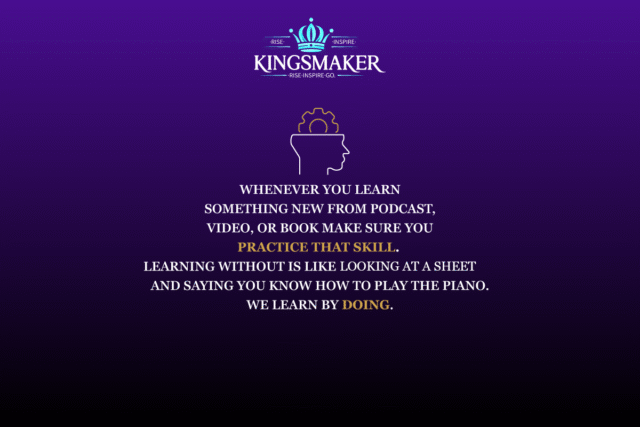
Just as you wouldn’t expect to master a musical instrument or excel in a sport overnight, cultivating these skills takes patience and practice. The first step is understanding that they are within your reach.
Happiness as a Skill

Happiness isn’t a destination; it’s a practice. While external circumstances play a role, research shows that much of our happiness is influenced by internal factors—our mindset, habits, and thought patterns. Here’s how you can start building the skill of happiness:
1. Practice Gratitude: Regularly reflecting on what you’re thankful for rewires your brain to focus on the positive. Keep a gratitude journal or take a moment each day to acknowledge the good in your life.
2. Be Present: Mindfulness is a cornerstone of happiness. By grounding yourself in the present moment, you can reduce stress and appreciate life as it happens.
3. Foster Positive Relationships: Surround yourself with supportive, uplifting people. Strong social connections are one of the most significant predictors of happiness.
4. Engage in Meaningful Activities: Pursue hobbies, passions, or work that aligns with your values. Meaningful engagement boosts long-term satisfaction.
Emotional Balance as a Skill

Emotional balance is the ability to navigate life’s ups and downs without being overwhelmed by them. It’s not about suppressing emotions but about managing them constructively. Here’s how to develop this skill:
1. Self-Awareness: Pay attention to your emotions without judgment. Recognizing your feelings is the first step to managing them.
2. Regulate Stress: Practice techniques like deep breathing, meditation, or physical exercise to calm your nervous system during challenging moments.
3. Reframe Challenges: Shift your perspective by viewing obstacles as opportunities for growth. This helps you maintain composure and find solutions.
4. Build Resilience: Develop the capacity to bounce back from adversity by focusing on your strengths and seeking support when needed.
Compassion and Altruism as Skills
Compassion and altruism are often seen as moral virtues, but they are also skills that can be honed through deliberate practice. These qualities not only benefit others but also enhance your own well-being:
1. Practice Empathy: Put yourself in someone else’s shoes. Actively listen without judgment and try to understand their perspective.
2. Perform Acts of Kindness: Small gestures, like helping a colleague or volunteering, can create a ripple effect of positivity.
3. Cultivate Forgiveness: Letting go of grudges frees you from emotional burdens and fosters inner peace.
4. Reflect on Shared Humanity: Remind yourself that everyone experiences struggles. This understanding fosters a sense of connection and reduces feelings of isolation.
The Commitment to Growth

Developing these skills isn’t about perfection; it’s about progress. Just as you would dedicate time to learning a new language or improving a professional skill, emotional growth requires consistent effort. Here are some strategies to stay committed:
1. Set Goals: Define specific, actionable steps for cultivating happiness, balance, or compassion.
2. Track Progress: Reflect on your growth regularly. Celebrate small wins and learn from setbacks.
3. Seek Guidance: Books, courses, therapy, or mentors can provide valuable tools and insights.
4. Be Patient: Growth takes time. Be kind to yourself as you navigate this journey.
Conclusion

Happiness, emotional balance, compassion, and altruism are not gifts bestowed upon a fortunate few; they are skills that anyone can develop. The key is to invest time and effort in nurturing them, understanding that growth is a gradual process.
By committing to this path, you not only enrich your own life but also contribute to a more compassionate, balanced, and joyful world. Because in the end, the skills we choose to cultivate define the life we get to live.