 Alexander Grant



Artificial Intelligence (AI) tools like ChatGPT, Claude, and Gemini have revolutionized business communication, content creation, and customer engagement. However, using these AI models with a generic approach won’t maximize their potential. The key to standing out? Customizing AI to reflect your unique brand voice.
This guide will walk you through the steps to personalize AI-generated content, ensuring it aligns with your brand’s personality, engages your audience, and enhances authenticity.
1. Define Your Brand Voice
📌 Best for: Ensuring AI responses stay consistent with your brand identity.
Before customizing AI, you need a clear understanding of your brand’s voice. Ask yourself:
- What are three words that describe our brand’s personality? (e.g., authoritative, playful, empathetic)
- Do we prefer formal or conversational tones?
- What type of language resonates with our audience? (e.g., casual, technical, motivational)
Example:
A luxury fashion brand may aim for a sophisticated and aspirational tone, while a tech startup may lean towards an innovative and friendly style.
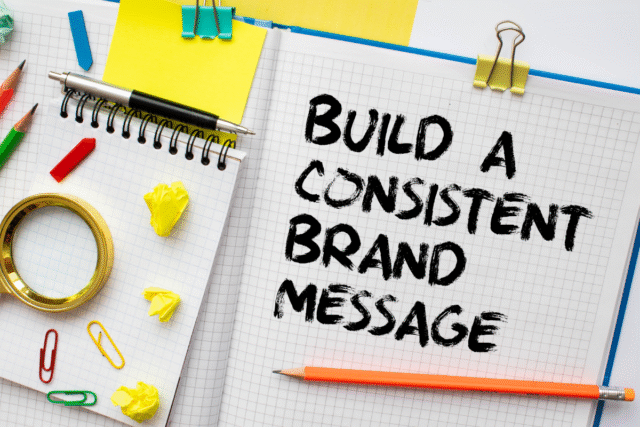
2. Train AI with Brand-Specific Prompts
📌 Best for: Making AI consistently generate on-brand messaging.
AI tools respond to instructions, so crafting the right prompts is crucial. Examples of how to set up structured prompts:
- Basic Instruction: “Respond in a professional yet warm tone suitable for a financial services brand.”
- Advanced: “Use a witty and engaging style similar to how we speak on social media, avoiding corporate jargon.”
- Example-Based: “Here’s a sample of our brand’s writing style. Analyze it and generate similar content: [Insert Example].”
Pro Tip:
Save commonly used prompts and refine them over time to achieve consistency.
3. Utilize Custom Instructions and AI Memory (Where Available)
📌 Best for: Long-term consistency across AI-generated content.
Some AI tools allow custom instructions or memory features, enabling them to remember key brand details. Here’s how to use them:
- ChatGPT: Use the “Custom Instructions” feature to define your brand voice and target audience.
- Claude & Gemini: Train AI by consistently reinforcing tone preferences in your queries.
Example:
“Address our customers in a friendly but expert tone, using short, punchy sentences like in this example: [Insert Sample Content].”
4. Edit & Refine AI-Generated Content
📌 Best for: Ensuring AI outputs feel truly human and on-brand.

Even the best AI-generated content needs human refinement. Steps for editing AI content:
- Check for consistency with your brand’s tone and voice.
- Remove robotic or generic-sounding phrases.
- Add a personal touch (e.g., anecdotes, humor, brand-specific jargon).
AI Editing Workflow:
- Generate content using AI.
- Review and tweak for tone and personality.
- Run a final check for clarity and engagement.
5. Train AI on Existing Brand Content
📌 Best for: Teaching AI to mimic your brand’s writing style.
The best way to get AI to match your brand’s voice is by feeding it past content:
- Provide existing blog posts, social media captions, or emails as examples.
- Ask AI to analyze and mimic the tone, structure, and wording.
- Store sample responses for AI reference in future prompts.
Example Prompt:
“Here’s how we write our email newsletters: [Insert Sample]. Generate a similar response that maintains this tone and structure.”
6. Implement AI-Powered Personalization for Engagement
📌 Best for: Increasing audience connection and interaction.
AI can dynamically adjust responses based on user interactions. Leverage AI personalization techniques:
- Segment audiences: Adjust AI responses based on customer type (e.g., first-time visitors vs. loyal customers).
- Use AI for chatbots and email personalization: Create customized experiences based on user data.
- Develop interactive content: AI can help craft quizzes, FAQs, and recommendations tailored to user preferences.
Example:
Instead of sending a generic email blast, AI can craft personalized subject lines and body text based on customer behavior.
7. Continuously Optimize AI Outputs
📌 Best for: Keeping AI-generated content relevant and aligned with evolving brand messaging.
AI requires ongoing adjustments to maintain quality. Ways to refine AI-generated content over time:
- Monitor performance: Track engagement and adjust AI instructions accordingly.
- Refine prompts regularly: Update training prompts to reflect brand changes.
- Combine AI with human creativity: AI assists, but human oversight ensures authenticity.
Optimization Checklist:
✅ Test different prompt structures to improve AI-generated outputs. ✅ Use audience feedback to adjust AI-generated messaging. ✅ Maintain a style guide AI can reference for future content.
Final Thoughts: AI as Your Brand’s Voice Multiplier

Customizing AI for your brand voice isn’t just a strategy—it’s a necessity in a competitive digital landscape. When done correctly, AI becomes a seamless extension of your brand, amplifying engagement and ensuring consistency across channels.
Key Takeaways:
✅ Define and document your brand voice before training AI. ✅ Use structured prompts and AI memory features for consistency. ✅ Edit AI-generated content to add human touch and authenticity. ✅ Continuously refine AI outputs based on audience engagement. ✅ Leverage AI for personalized content experiences.
🚀 Take Action Now: Start training AI to match your brand’s voice today! Use sample content, refine your prompts, and test AI across multiple touchpoints. The more aligned AI is with your brand, the more powerful your engagement strategy will be!
6 comments
This is gold! The step-by-step breakdown makes customizing AI for brand voice feel so doable. Definitely trying the prompt refinement and memory tips!
Incredible guide—this takes AI content from generic to genuinely on-brand. Loved the breakdown of tools like custom instructions and memory, but step 5 on training AI with brand content is pure gold. Bookmarking this one!
Great tips on customizing AI to match your brand’s voice! I especially love the focus on using existing brand content to train the AI. It’s a smart way to ensure consistency and keep everything on-brand.
This guide is super insightful! Customizing AI to fit your brand voice can really set you apart. I love the emphasis on defining your brand’s personality and using specific prompts—it’s a great way to make sure AI content feels authentic and aligned with your values.
This is a fantastic guide for brands looking to get the most out of AI! The emphasis on defining your brand voice first is spot-on—without that foundation, AI can miss the mark. Also, I love the idea of using existing content to train AI. It’s a smart way to ensure consistency and avoid losing that personal touch.
This is such a great breakdown of how to truly make AI work for your brand! Customizing AI-generated content to reflect your unique voice is key for standing out. The idea of using specific prompts and AI memory for consistency is super helpful, as it helps maintain that personal touch while saving time.