
 Alexander Grant

If you don’t have a massive audience to sell low-priced products like mugs or T-shirts, don’t worry. You can still succeed by selling higher-priced products to a smaller, more targeted audience. But selling premium products comes with its own set of challenges.
Let’s explore how to make those high-ticket items more approachable and desirable.
Price is Relative
Imagine you’re selling a product worth $6,000. Is that expensive? It depends on context.
If you compare it to the cost of your morning espresso, sure, it’s pricey. But when compared to the value it delivers or alternatives in the market, it might seem like a bargain.
The goal isn’t to justify your price but to present it in a way that makes your customers see its true value.
Example: Mike Patey’s Best Tugs
Mike Patey, a pilot and engineer, turned his passion for building experimental airplanes into a thriving business. His YouTube channel showcases his custom-built planes and the meticulous adjustments that helped him break world records.
But here’s the genius part: Mike leveraged his channel’s niche audience to promote Best Tugs, a company that sells specialized tools for moving small aircraft.
Why It Works:
- Targeted Niche: His audience—private plane owners—already values his expertise and insights.
- Clear Value Proposition: Best Tugs solves a real pain point for small-plane owners who need an efficient way to move their aircraft without investing in oversized, expensive vehicles.
- Trust Through Transparency: By sharing his process on YouTube, Mike builds trust and positions himself as an authority in his niche.
Tactics to Make High-Value Products More Accessible
- Break It Down Into Payment Plans
Offering monthly payment options transforms a $6,000 product into a more approachable $500 per month.- Example: Fitness equipment brands like Peloton sell bikes costing thousands but offer easy financing at $100/month, making the purchase feel manageable.
- Showcase the Value
Clearly outline what customers get and how it benefits them:- Tangible benefits (e.g., time savings, durability).
- Intangible benefits (e.g., peace of mind, prestige).
- Example: A high-end camera might cost $5,000, but if positioned as a tool that helps photographers land higher-paying clients, it becomes an investment, not an expense.
- Bundle or Upsell
Add value by including complementary products or services.- Example: A premium online course could include exclusive Q&A sessions, lifetime access, or bonus resources to justify the higher price.
- Tell a Story
People buy emotionally and justify logically. Use storytelling to connect your product with your audience’s needs and aspirations.- Example: Share testimonials from customers who achieved exceptional results with your product or a behind-the-scenes look at how it was developed.
- Provide a Guarantee
Minimize perceived risk by offering a strong guarantee.- Example: “If you’re not 100% satisfied within 30 days, we’ll refund every penny.”
A Hypothetical Scenario
Let’s say you’re selling a luxury standing desk for $3,000. How do you make it accessible?
- Highlight the Savings: “Invest in your health—reduce back pain and boost productivity, saving thousands on medical bills.”
- Flexible Payments: Offer a 12-month plan at $250/month.
- Value Stack: Include a free ergonomic chair or access to a premium wellness app.
Final Thoughts
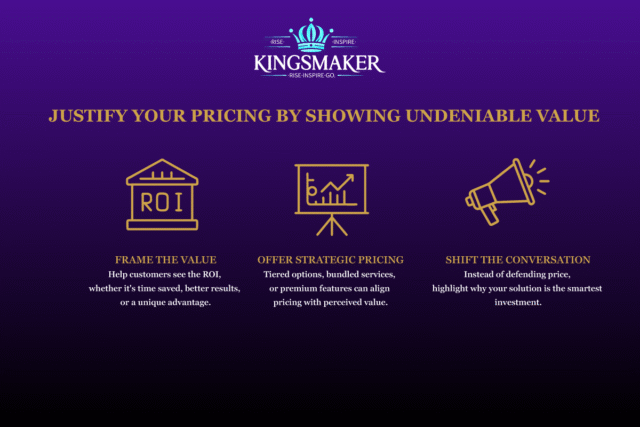
Selling high-ticket items doesn’t mean lowering your prices or compromising quality. It’s about showing your audience why your product is worth the investment and making the purchase feel achievable.
Focus on creating a compelling narrative, offering flexible options, and demonstrating undeniable value. When done right, even the most premium products can feel like the obvious choice.
Here’s where Mike’s tugs come into play…
This is what Mike’s tug for small aircraft looks like.
The tugs have a small hitch you can attach to the nose wheel of an aircraft, allowing you to easily maneuver it.
Mike sells them.
When you’re spending $500,000 or $1 million on an airplane, a $6,000 purchase feels like buying a cup of coffee.
It’s secondary.
You don’t even think twice about it…
This is the genius of positioning yourself and your products in close proximity to high-value transactions.
When you’re dealing with hundreds of thousands or millions of dollars, a few thousand is just a rounding error.
Think about your business: what are the ways you can align yourself with high-value deals and claim a share?
Let’s exchange ideas in the comments 👇🏻
6 comments
Great insights on shifting the focus from price to value. The examples are super relatable, especially for niche creators—proof that you don’t need a huge following to sell premium products effectively!
This is such a powerful shift in mindset—’price is relative’ really reframes the conversation. Love how you emphasized storytelling and payment flexibility to bridge the gap between premium value and customer accessibility.
This is such a solid guide for selling high-ticket items to a niche market! The focus on framing the price relative to value is key—people are willing to pay more when they see the long-term benefits. I especially love the idea of breaking down payments and using storytelling to create an emotional connection. It’s all about making that big investment feel more accessible and worth it!
Great approach to making high-ticket items more appealing! The emphasis on breaking down the price into manageable payments is a smart tactic. I also love the idea of telling a compelling story – connecting emotionally with your audience can make them see the true value of what you’re offering.
This guide is a great reminder that pricing is all about context. By focusing on the true value your high-ticket items offer—whether through payment plans, storytelling, or clear benefits—you can make them more approachable. The key takeaway: make your product feel like an investment, not just an expense, and it’ll resonate with the right customers.
I love how this article emphasizes the importance of context and value when selling high-ticket items. It’s true—price is often in the eye of the beholder, and with the right approach, even a high price can feel like a great deal. Offering payment plans and showcasing real value can make a huge difference in how people perceive the product!